

A whole-school literacy approach that encompasses reading, writing, listening and speaking.
Skills are taught explicitly at each year level and follow the sequence of the Australian Curriculum. Consistent literacy blocks operate across the school, providing dedicated time for explicit instruction, guided practice and independent application. Literacy is integrated across all learning areas, creating a meaningful environment that meets the needs of individual students and supports every learner to succeed.
Reading
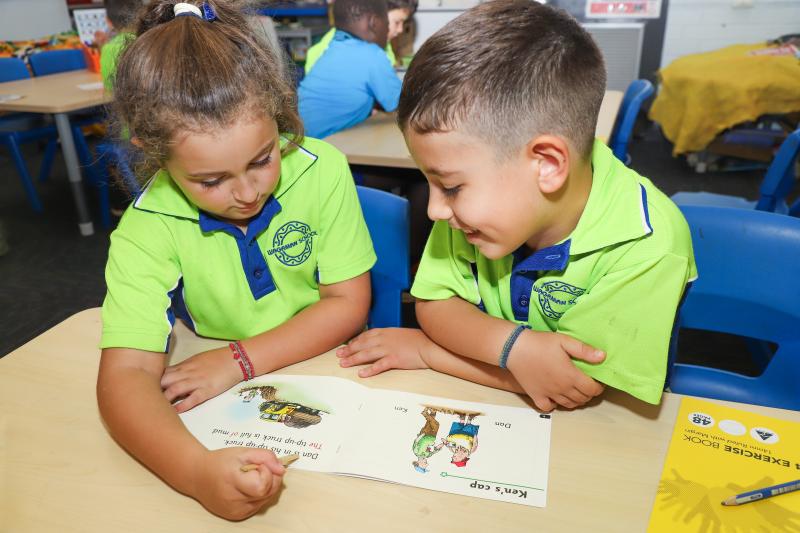
Students participate in a wide range of reading opportunities in all classes across the school. Our literacy blocks include the explicit teaching of phonemic awareness, phonics, fluency, vocabulary and comprehension, ensuring students develop the full range of skills needed to become confident, capable readers.
In the early years, we use Read Write Inc, a systematic synthetic phonics program proven to build strong foundations in decoding, spelling and oral language. This approach supports students to read fluently and with increasing independence so they can focus on meaning, comprehension and enjoyment.
To monitor progress and guide instruction, teachers use DIBELS (Dynamic Indicators of Basic Early Literacy Skills). These assessments provide valuable information about how students are performing in key early reading skills and help us tailor support where it is needed.
Writing

At Wagaman Primary School, students develop both their ability and love of writing through explicit instruction, rich modelling and meaningful opportunities to write every day. Our approach is anchored in Talk for Writing, a highly effective, research-based framework that builds strong connections between oral language and written expression.
Through the Talk for Writing sequence of imitation, innovation and independent application, students learn to internalise language patterns, build vocabulary, and understand the structure of different text types. Model texts, shared writing and daily oral rehearsal provide the strong foundation our learners need to become confident, capable writers.
Choice writing remains an important part of our Literacy program, recognising that our students are unique authors who move through the writing process at their own pace.
Writing is celebrated across our school, with students regularly publishing and sharing their work with authentic audiences.
Speaking and Listening
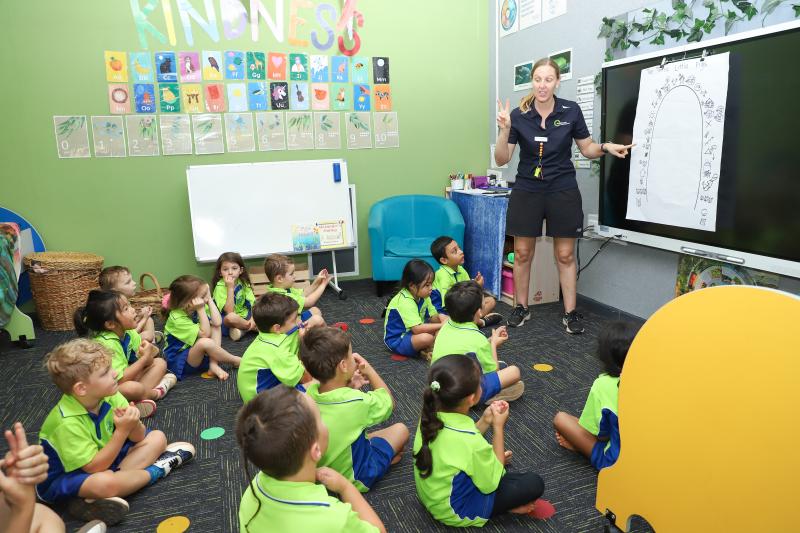
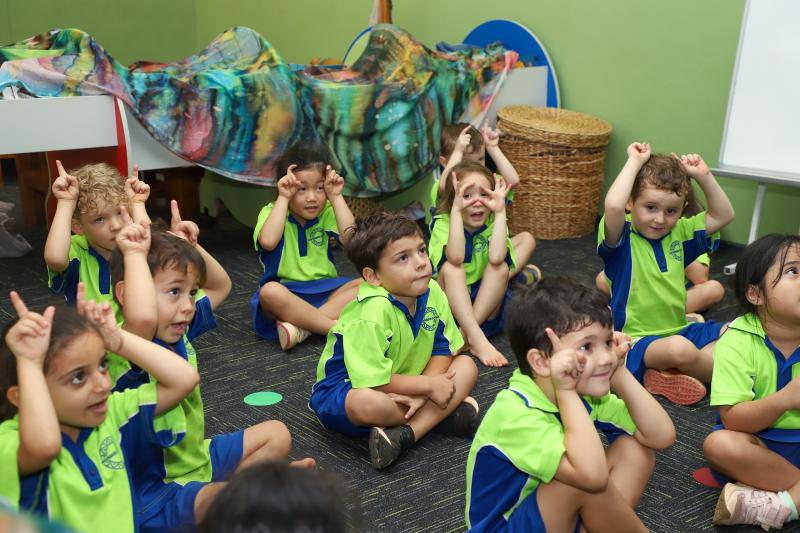
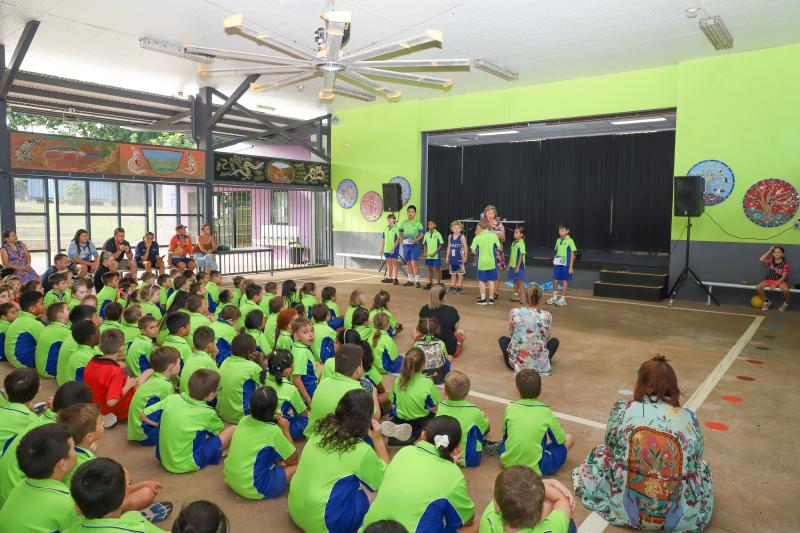
Students have a variety of opportunities to develop their speaking and listening skills through explicit English lessons and across all learning areas.
As part of our Talk for Writing approach, oral language is a key focus. Students learn to retell model texts, rehearse ideas aloud, participate in structured discussions and use spoken language to deepen their understanding of vocabulary, text structure and authorial choices. These purposeful talk routines strengthen students’ confidence, clarity and fluency before they move into writing.
Speaking and listening skills are also developed through collaborative learning, presentations and class performances. All classes present an assembly item each semester, giving students authentic opportunities to communicate, perform and share their learning with our school community.